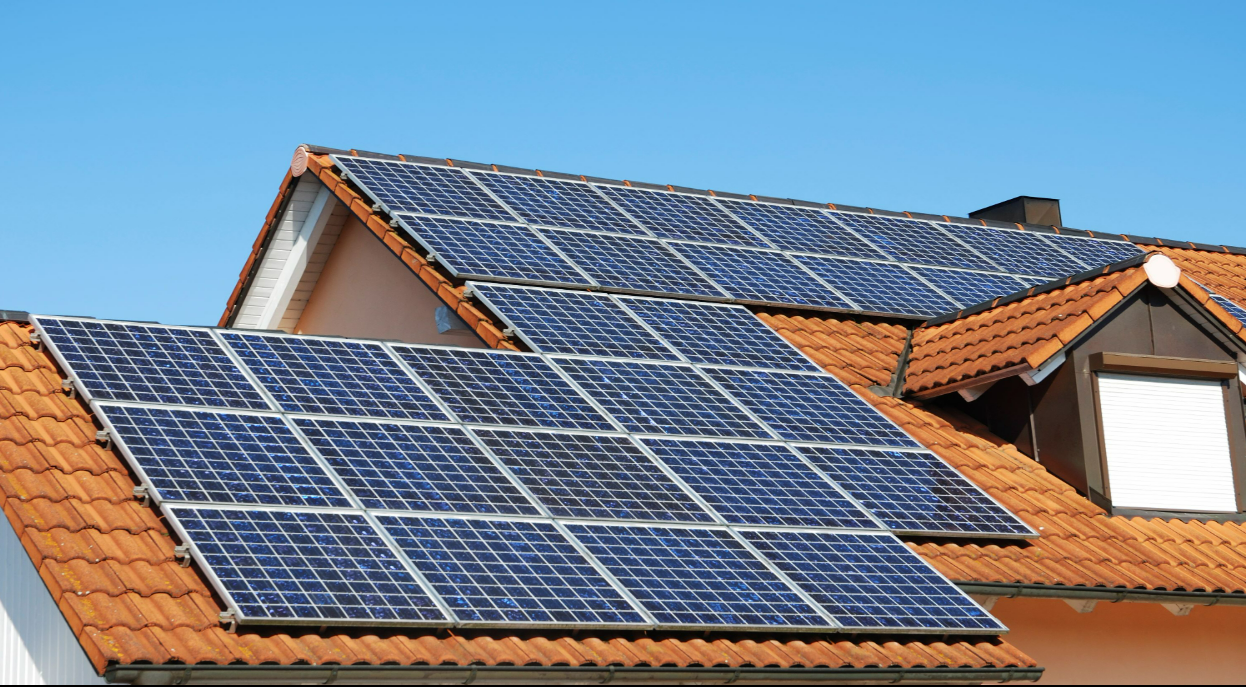
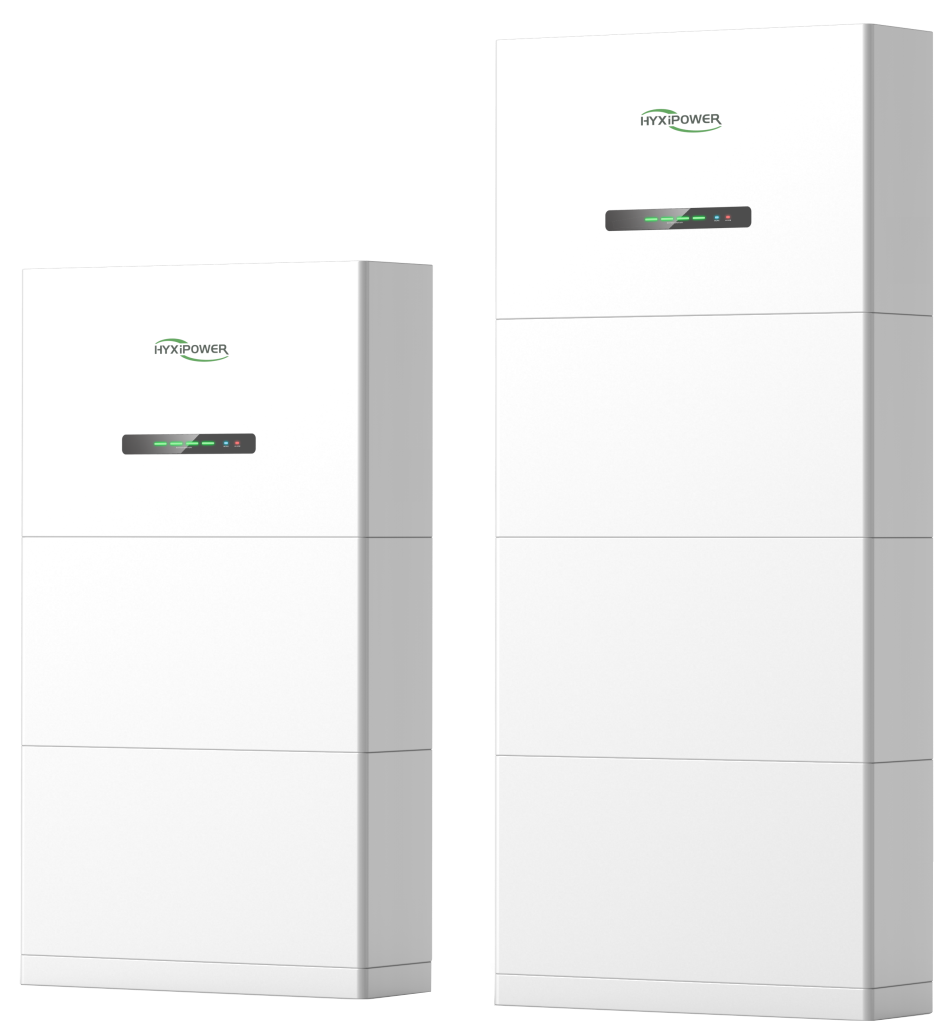
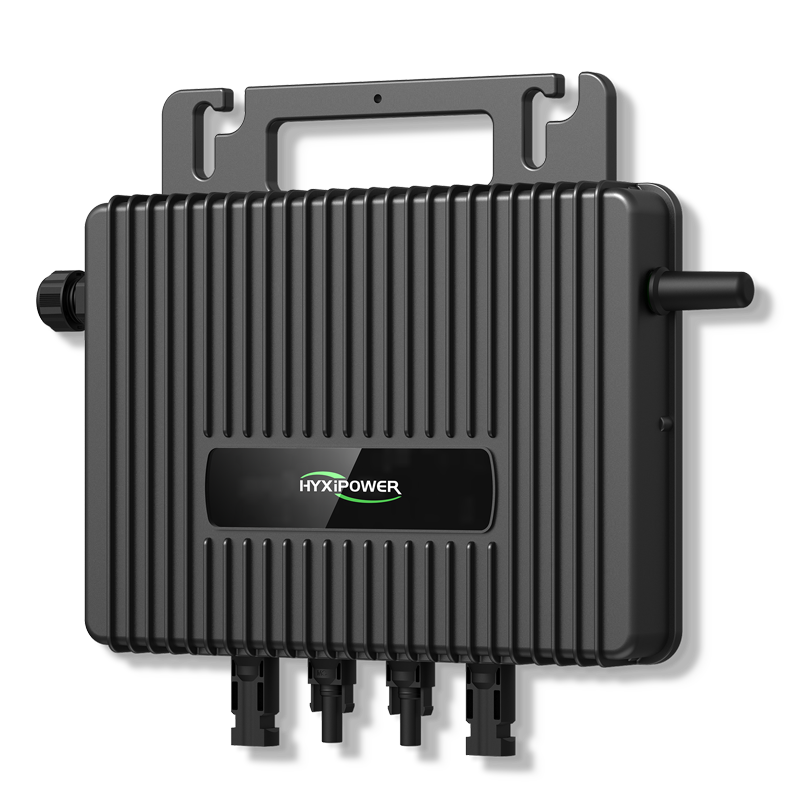
From HYXI’s perspective, the decision to lease or purchase a residential storage solution directly affects project economics, risk allocation, and long-term performance. For installers, distributors, and energy service providers, selecting the right model for a power backup system for home requires a structured evaluation of capital expenditure, operational control, and lifecycle value. As residential systems increasingly combine photovoltaic generation with storage, this decision becomes central to delivering reliable and cost-effective energy solutions.
Upfront Cost vs Lifecycle Economics
Leasing a power backup system for home typically lowers the initial financial barrier, enabling faster customer adoption. Payments are distributed over time, which can support portfolio growth for service providers. However, total lifecycle cost may be higher due to financing charges and service fees embedded in the lease structure.
Purchasing, by contrast, requires higher upfront capital but provides full asset ownership. This allows system owners to capture the entire economic benefit from energy savings, peak shaving, and potential incentives. Over the system lifespan, ownership often results in a lower levelized cost of storage.
For stakeholders managing multiple installations, the choice depends on capital availability and return expectations. Lease models may accelerate deployment, while ownership models tend to maximize long-term value of the power backup system for home.
Operational Control and Performance Optimization
Control over system operation is another key differentiator. In leased arrangements, system configuration and maintenance are often managed by the provider. While this reduces operational burden for end users, it can limit flexibility in adjusting system parameters or integrating additional components.
Ownership provides greater control over system performance. Operators can optimize charging and discharging strategies, integrate with dynamic pricing mechanisms, and adapt configurations based on evolving energy needs. This flexibility is particularly relevant for a power backup system for home operating in regions with variable tariffs or grid instability.
Advanced residential systems that combine photovoltaic generation and storage enable self-consumption optimization and support both grid-connected and off-grid modes. This integrated functionality enhances system value regardless of the financial model, but ownership allows for more direct performance optimization.
Risk Allocation and Long-Term Reliability
Leasing and buying also differ in how risks are distributed. Lease agreements often include maintenance and performance guarantees, transferring part of the technical risk to the provider. This can simplify asset management for large portfolios but may limit customization options.
When purchasing a power backup system for home, the owner assumes responsibility for maintenance and system performance. However, modern systems designed with high-safety lithium iron phosphate batteries and robust energy management platforms provide stable operation and reduced maintenance requirements.
In areas with unstable grids or frequent outages, reliability becomes a critical factor. A well-designed system ensures continuous power supply and supports emergency backup functions. Evaluating product quality, safety standards, and system integration capabilities is therefore essential in both leasing and purchasing scenarios.
Aligning Financial Strategy with Energy System Value
The choice between leasing and buying a power backup system for home ultimately depends on aligning financial strategy with operational objectives. Leasing supports rapid deployment with lower upfront investment, while purchasing enables full control and long-term economic benefits.
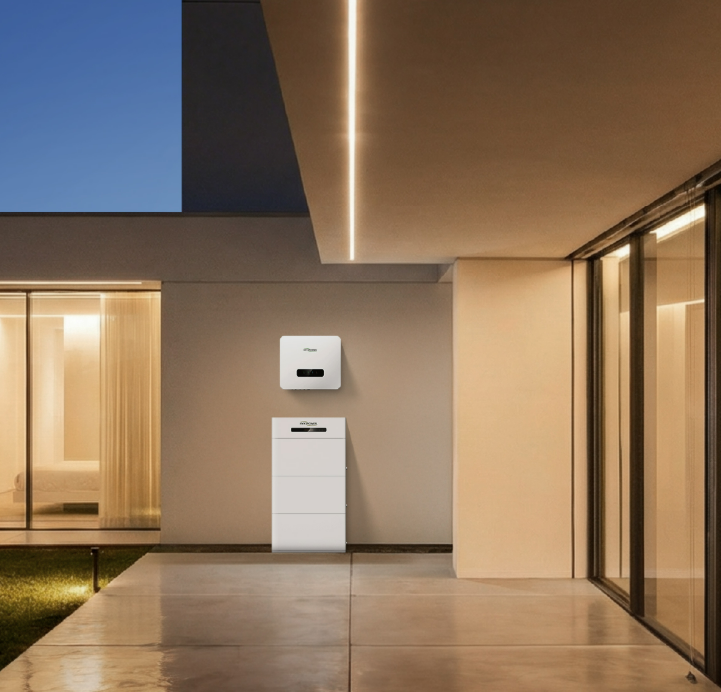
HYXI offers household energy storage solutions that combine solar power generation and energy storage into one cohesive system. Supporting both grid-connected and standalone operation, HYXI maintains steady performance across a wide range of application environments. Regardless of whether customers adopt a leasing or outright ownership model, HYXI’s solutions are built to ensure reliable operation, high-efficiency energy scheduling, and secure backup power supply. Backed by persistent technological innovation and strong engineering capabilities, HYXI continues to focus on providing flexible and resilient household energy systems for global users.